







Top 3 Drinks Trends 2026
Top 3 Drinks Trends 2026Top 3 Drinks Trends 2026
Like all areas of the foodservice sector, drinks menus are constantly evolving to incorporate the latest trends. In this blog, we round up the must-haves bartenders should be aware of when refreshing their drinks menus.
1. Mini Martinis and Day Drinking
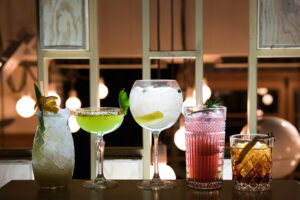
According to Bacardi’s latest 2026 Cocktail Trends Report, as reported by Forbes, we’re officially in our day-drinking era. However, rather than bottomless brunches of menus past, 2026 is all about day-caps, spritzes and low/non alcoholic sips.
This shift is largely driven by guests opting to dine early, with 46% saying they’d rather eat earlier to avoid the dinner rush, and 41% attributing it to the desire to relax after a meal, according to Resy. In fact, the change has been so drastic that more people are dining between 5pm-6pm than the three hours from 8pm-11pm combined.
With earlier eating comes a change in the drinks ordered. Lighter and lower ABV options are prioritised. Spritzes come into their element here, with St-Germain experiencing a 20% increase in sales last year, according to Business Insider, as Gen Z turn to increasingly popular Hugo Spritzes as an alternative to its Italian cousin, the Aperol Spritz. Likewise, where alcohol indulgences do feature, Forbes notes the popularity of ice-cold 3.5 oz mini martinis at places like Caffe Dante or The Tusk Bar, which makes classic cocktails more approachable for younger drinkers and can act as a great gateway to exploring new tastes and trying new drinks, while also appealing to alcohol-aware guests.
2. The Death of Mocktails
Low and non-alcoholic drinks have surged in popularity in the last couple of years, so it may be surprising to hear that mocktails – juice, soda, and syrup combos – have fallen off a cliff. Taking its place is the Zero-Proof Cocktail.
Using non-alcoholic spirits like Seedlip, Lyre’s, and Monday to build complex, balanced, and sophisticated drinks allows bartenders to position these drinks as premium options, according to Backbar. Instead of £5 mocktails, these are £12 zero-proof cocktails that offer a far greater profit margin while accommodating the modern moderate drinker.
Presentation also has a role to play in elevating the alcohol-free experience. Using similar glassware, garnishes, and high-quality ice makes drinks more comporable to a classic cocktail and further differentiates it to juice-in-a-glass. Cube ice is particularly versatile, and can be used across a number of (both zero percent and alcoholic) cocktails, soft drinks, and iced coffee. Utilising a burst of power at the beginning of the ice-making process to fill corners for sharper edges, our new CUBE series of ice machines are cleaner and clearer than any other cube ice, for perfect presentation every time.
3. Health and Functionality
This trend can be broken into three segments; health-conscious drinking, prioritising function, and accommodating GLP-1 diets.
Instead of traditional fizzy juice, consumers are opting for mood-boosters such as probiotic sodas, electrolyte powders, water kefirs, natural energy drinks, and mushroom coffee, according to The BBC. Uren Food Ingredients reports that drinks that support gut health with a focus on fibre are projected to grow at an annual rate of 7.6% through to 2035, demonstrating the huge opportunity this sector represents for wet-led venues. And this can extend to all menu occasions by incorporating the likes of enriched milks for morning coffees for example.
On the GLP-1 front, bartenders should focus on drinks that promote hydration, expanding options beyond caffeinated, alcoholic, and sugary drinks. Beverage Daily says the effect of GLP-1 is more nuanced when it comes to drinks compared to food. Consumers are seeking drinks that help them feel satified while supporting blood sugar and delivering more nutrition per calorie to make drinks work for them.
Most Popular Milks for Tea and Coffee Ranges (reported by Fresh Ground):
1. Cow’s Milk – Still the default at 94.8% of the market, with semi-skimmed being the most popular.
2. Oat Milk – Growing 7.2% per year and making up 40% of all plant-milk consumed
3. Almond, Soy, and Coconut – Slowly growing
4. Potato, Pea, and Hemp – Niche, making up 0.2% of new product launches
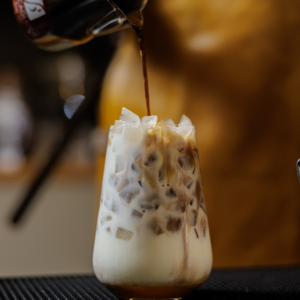
Iced coffees have solidified themselves as a year-round staple, ranking as the 5th most popular beverage across coffee shops regardless of season according to IBC Simply. Operators looking to tap into this demand need an ice that can withstand the heat of freshly brewed coffee. The hard and compressed structure of the cubelet ice that our DCM units dispense makes this a perfect option, whilst also guaranteeing slow dilution. For smaller venues without space for a conventional ice machine, the DCM sits consicely on bar counters to streamline service. It’s so simpluy to use, that it can even be positioned front of house next to drink fountains for customers to use as self service, tapping into demand for greater customer control.
Top Cocktails of 2026 (predicted by Bacardi):
Margarita (Crushed Ice)
Mojito (Crushed Ice)
Piña Colada (Crushed Ice)
Rum and Coke® (Cube Ice)
Whisky and Coke® (Cube Ice or Sphere Ice)
Spritz (Cube Ice or Extra Large Cube Ice)
Vodka Lemonade (Cube Ice)
Vodka Soda (Cube Ice)
Gin & Tonic (Cube Ice or Extra Large Cube Ice)
Dry Martini Cocktail (Crushed Ice and soda for cooling the glass, Extra Large Cube Ice for stirring to cool the drink before pouring into glass)
Flavours and ingredients to watch:
– Tropical fruits like mango and pineapple
– Nostalgic flavours like vanilla cherry, strawberries and cream, and orange popsicle
– Monk fruit as a natural sweetener
– Unusual fruits like guava, huckleberry, and sumac berry
– Interesting textures to create a sensory experience, like bubble tea fusions
Whatever trends your bar is looking to tap into, it’s important that bartenders utilise high-quality ice throughout menus. Nobody wants an overly diluted drink after all. The good news for bartenders that use Hoshizaki is that ice quality is a guarantee.
For more information on appliances in the Hoshizaki portfolio, please visit www.hoshizaki-europe.com or call 01322 616 900.